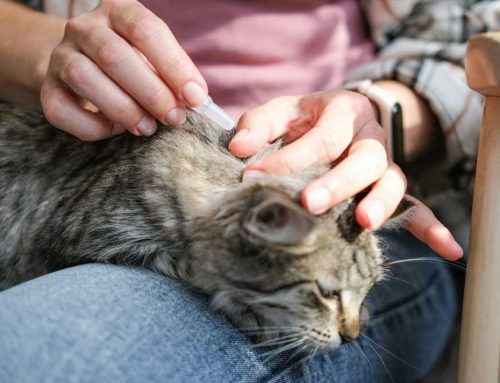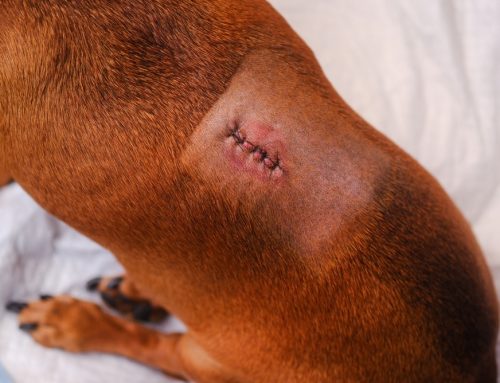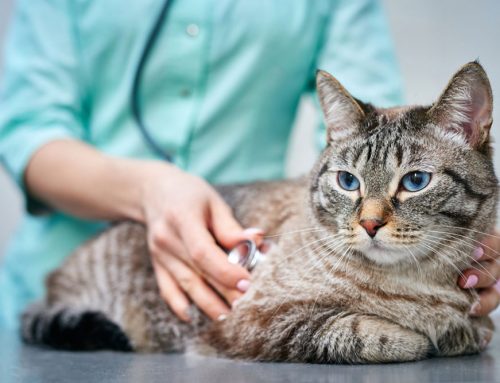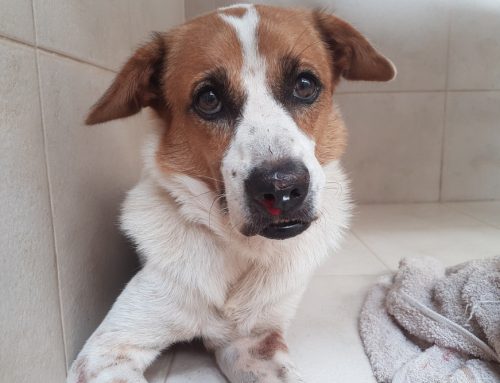

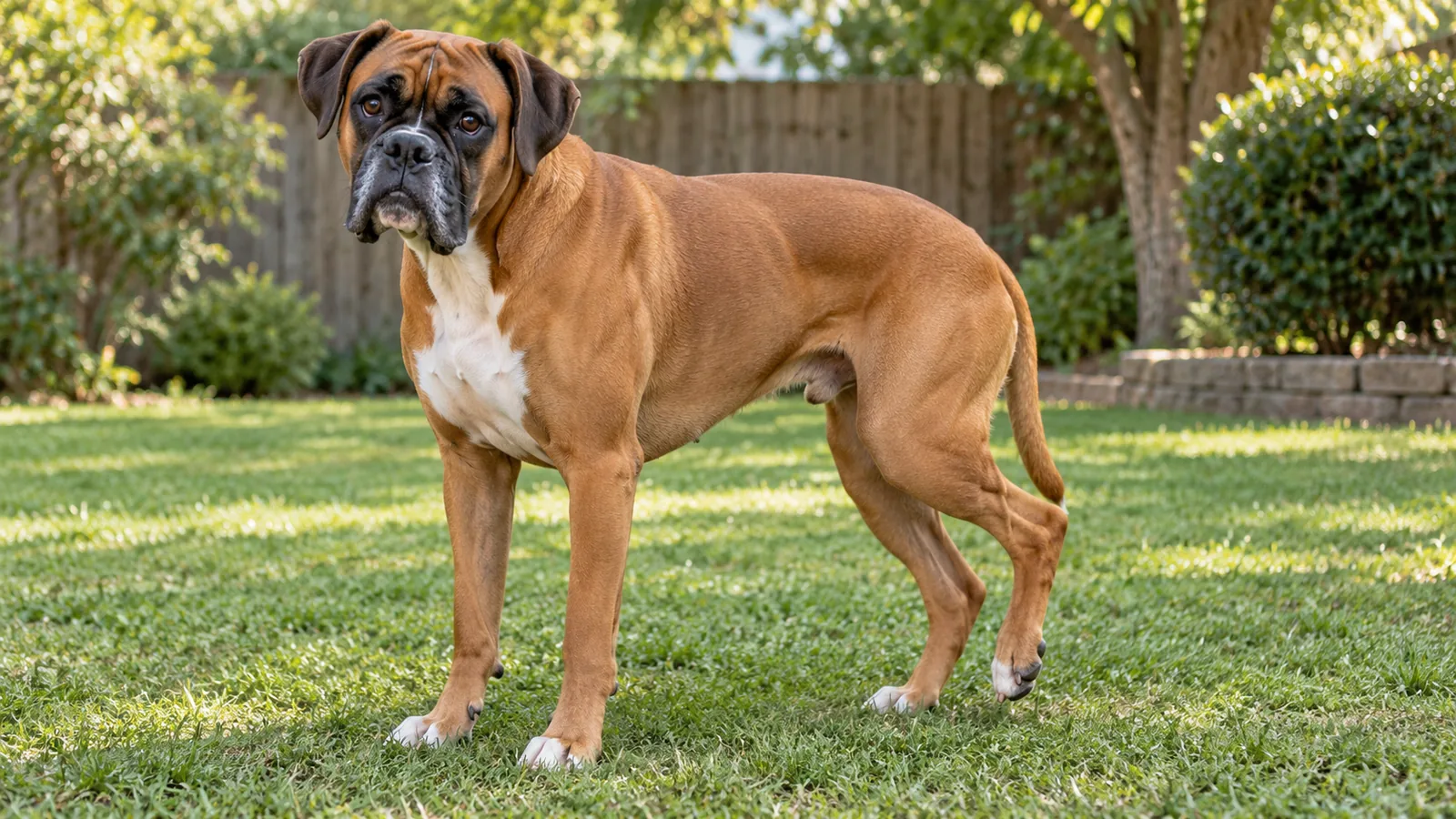
It is genuinely hard to know when hip disease has stopped being a problem you manage and become one that needs surgery. The signals are quieter than most families expect: dogs sit down partway through a walk, cats take the long way up to a windowsill instead of jumping, or they start to second guess that leap onto the bed. Changes like those usually mean the joint has outrun the plan holding it steady, and the next move is an orthopedic workup rather than another refill. The findings there, along with your pet's size and age, point toward one hip procedure over another.
It makes sense to want a plan you can actually follow before you agree to surgery on your pet's hip, and that call should not rest on you alone. Valley Center Veterinary Clinic is an AAHA-accredited hospital, and we show you the reasoning instead of handing down a verdict: we examine your pet, take digital X-rays of the joint, and go through what each option asks of you both, including which hip surgeries fall among the orthopedic procedures we perform here and which belong with a board-certified specialist. When medication and rehab are still holding, we will say so, and when they are not, you will know exactly why before anything is scheduled. If your pet's back end is getting worse instead of better, come see us.
Hip Surgery for Dogs and Cats: The Basics
- Many pets with hip disease stay comfortable for years on pain medicine, a lean body weight, and exercise therapy; surgery comes up when that plan stops working.
- An FHO removes the painful ball of the hip and lets scar tissue form a false joint, which suits cats, smaller dogs, and young pets with Legg-Perthes disease.
- A total hip replacement rebuilds the joint with implants and comes closest to normal mechanics, fitting larger and athletic dogs whose families want full function back.
- A few procedures for puppies with loose hips are only possible before arthritis sets in, so early X-rays in at-risk breeds matter.
What Helps Hip Pain Without Surgery?
Plenty of pets with bad hips do well for years without an operation, as long as the plan is more than a bottle of pills, and we reassess every piece of it at each visit.
- Pain control: Daily non-steroidal anti-inflammatory drugs (NSAIDS) do much of the work for dogs, often with gabapentin added for the deeper ache that keeps a pet shifting around at night. Monthly injections for joint pain are also available, one licensed for dogs and another for cats.
- Weight and muscle: Every extra pound asks more of a loose hip, and taking weight off a heavy dog or cat can do more for comfort than any prescription. Lean pets with strong hind-end muscle move better on the same bad X-ray.
- Supplements: Joint supplements work best started early and given every day, since the goal is supporting cartilage over months rather than relieving pain by the weekend.
- Rehab and hands-on care: Controlled leash walks, swimming, and range-of-motion work at home preserve the muscle that keeps a loose joint steady. We add cold laser therapy for arthritic hips, aimed at inflammation and comfort between medication adjustments.
- Home setup: Rugs over slick floors, a ramp at the couch or the truck, and a lower-sided litter box for cats mean the hip does painful work less often.
Don't reach for anything from your own medicine cabinet while you wait for an appointment. Ibuprofen and naproxen injure the stomach and kidneys of dogs and cats, acetaminophen can be fatal to a cat, and one pet's prescription is never safe to share with another.
What Conditions Lead to Hip Surgery in Dogs and Cats?
Four main problems send most pets toward hip surgery: hip dysplasia, a dislocated hip, Legg-Perthes disease, and arthritis that has outgrown its medication. All four damage the same ball-and-socket joint, where the ball, called the femoral head, sits at the top of the thigh bone.
- Hip dysplasia: Canine hip dysplasia develops when the ball and socket grow at mismatched rates, leaving the joint loose enough that every step wears cartilage away faster than the body can rebuild it. Labradors, Golden Retrievers, German Shepherds, and Rottweilers can show stiffness before middle age. Feline hip dysplasia is diagnosed far less often than the canine version, because cats rarely limp noticeably and change what they do instead.
- Hip luxation: Hip luxation means the femoral head has come out of the socket entirely, most often after a car accident or a hard fall, and a pet whose socket is already shallow from dysplasia dislocates with much less force. A pet who suddenly won't put weight on a back leg needs urgent care that day, because a hip put back in place early sometimes stays there without surgery.
- Legg-Perthes disease: Legg-Perthes disease begins when blood supply to the femoral head is interrupted and the bone starts to collapse, and it shows up most often in small-breed dogs and young cats in their first year. Because the bone itself is failing, surgery is usually the answer once a young pet is limping on it.
- Advanced arthritis: Osteoarthritis in dogs and cats becomes a surgical conversation once a pet hurts every day despite medication, weight control, and rehab. Cats tend to signal that point through behavior changes like litter box avoidance rather than an obvious limp, and sore feline hips often turn up at adult cat wellness exams, where a hands-on check finds pain a family has been reading as normal aging.
What Does an FHO Do, and Which Pets Are Candidates?
A femoral head ostectomy, or FHO, removes the painful ball of the hip altogether, and nothing goes back in its place. The body fills the gap with scar tissue that works as a false joint, and the surrounding muscle takes over the bone's job. That false joint doesn't glide the way a real one does, so many pets keep a slightly shorter stride on that side.
Body weight is the biggest factor in whether this is the right choice. Smaller dogs, cats of nearly any size, and young pets whose Legg-Perthes has already ruined the femoral head tend to do well, because there's less load for muscle and scar tissue to manage. It's also the practical option when a replacement isn't feasible: a socket too damaged to hold an implant, or an infection elsewhere in the body.
Muscle holds a false joint steady, so veterinary physical rehabilitation is part of the surgery rather than an optional add-on.
- Dogs: Controlled leash walks, home range-of-motion work, and in some cases underwater treadmill sessions.
- Cats: Cats can't be walked on a leash through recovery, so their version is confinement to one room, no launching off the bed or the cat tree, and floor-level play that gets the leg moving without a jump.
How Does a Total Hip Replacement Work, and Who Needs One?
Total hip replacement swaps both the femoral head and the socket in the pelvis for prosthetic components that recreate normal hip mechanics, and well-selected patients come back to full, comfortable function in the large majority of cases. It's performed by a board-certified surgeon at a specialty hospital.
Big dogs, athletic dogs, and working dogs are the classic candidates, because a metal ball in a smooth cup carries load in a way scar tissue can't, and it fits families hoping for a real return to hiking, agility, or a working job. Cats can have hip replacements with correctly sized feline implants, though it's an uncommon surgery at a limited number of referral centers.
Recovery is strict, and it's the part families underestimate.
- How long: 8 to 12 weeks of tight activity limits while the implant settles into bone.
- Dogs: Leash walks only, no stairs at speed, no yard sprints, and no jumping into the car.
- Cats: One small room, with the cat tree, counters, and bed out of reach for the same stretch.
- What to watch for: Dislocation is the main worry in those early weeks, and it often happens during something ordinary like a slip on tile, so a pet who suddenly won't use that leg during recovery needs to be seen that day.
- When the limits lift: Full function generally comes back three to four months out, once the surgeon clears your pet.
Which Procedure Is Right for My Dog or Cat?
Size and what you need the leg to do decide this more than the diagnosis does.
| Question | FHO | Total hip replacement |
| What's done to the joint | The femoral head is removed and scar tissue forms a false joint in its place | Ball and socket are both swapped for implants |
| Who it suits | Cats, smaller dogs, young pets whose Legg-Perthes has damaged the bone | Large, athletic, and working dogs |
| Where it's done | Some general practices, sometimes with a boarded surgeon | A specialty hospital, by a boarded surgeon |
| Recovery | Gentle use begins early, and rehab builds the result | 8 to 12 weeks of strict restriction |
| How the leg works afterward | Comfortable, often with a shorter stride on that side | The closest thing to a normal hip |
| Cost | The lower of the two | Considerably higher |
That split isn't absolute. A ninety-pound dog whose socket was wrecked by an old fracture can be a better FHO candidate than an implant one, and a thirty-pound dog with a demanding job sometimes gets the replacement. We'll tell you which way the X-rays point, and whether your pet's procedure is among the surgeries we do here or belongs with a boarded surgeon.
Should a Puppy Get Hip X-Rays Before Anything Hurts?
Early X-rays are worth it for some puppies, not all. The ones to image are puppies with dysplasia in the breed or bloodline, puppies growing fast, and puppies already moving oddly: a bunny-hop at the run, sitting down partway through play, or hips that shift under your hands.
Finding laxity, the extra play in a hip that shows up before cartilage damage, widens the list of hip dysplasia treatment options, because some procedures for young dogs are only possible during a developmental window that closes within months. We check hip range of motion at puppy wellness visits, and X-rays are the next step when a joint feels loose. Hip dysplasia screening uses a standardized set of X-rays read by board-certified veterinary radiologists. Breeders around Valley Center can often tell you whether a litter's parents were hip-screened, worth asking before you ever need an X-ray.
Does What a Puppy Eats Change Their Hip Risk?
Diet in the first year changes how an at-risk hip turns out, and both growth rate and nutrient content play a part in developmental orthopedic conditions. Large-breed puppy formulas hold calcium, phosphorus, and calorie density in a range that lets bone and joint mature at a steady pace. Free-choice feeding is where this often goes wrong, because a big puppy will eat enough to grow faster than their skeleton can handle. Measure meals, keep ribs easy to feel, and hold that lean body condition through adulthood, not just the growing months. Kittens get the same attention at kitten wellness visits, where food choice and body condition are part of the exam.
What Surgeries Can Help a Puppy With Loose Hips?
Two procedures exist for young dogs with significant looseness and no arthritis yet, and both are time-sensitive.
- Juvenile pubic symphysiodesis is a short procedure performed around 15 to 20 weeks of age that fuses one seam of the pelvis early, letting the sockets rotate into deeper coverage over the femoral heads as the puppy finishes growing.
- A pelvic osteotomy, done as a triple or double version and known as a TPO or DPO, rotates the sockets surgically in slightly older puppies while the joint surfaces are still healthy. Both need a boarded surgeon and a diagnosis made while that window is open.
What Happens at a Hip Evaluation?
A hip workup starts with an exam, not an X-ray. We watch your pet move and feel both hips for looseness, pain, and grinding. Not every sore back end is a hip, so the same exam checks the knees, the lower back, and the long bones for pain. Bring a video of how your pet gets up at home, because a stiff pet often moves better here than in your kitchen.
In-house X-rays mean the images are taken and read here during the visit, and sedation is often needed to get a clear view of how the ball really sits in the socket. Some pets go home with a medication change, a weight plan, and no surgery on the horizon. Others go home knowing an FHO or a replacement is the honest answer, and our veterinary team will walk you through the decision making process. You’ll leave with all your questions answered and a plan to help stop the daily pain your pet is experiencing.
What Families Want to Know Before Hip Surgery
Will my dog be able to run again after an FHO?
Many dogs do run again, especially small and medium-sized ones who build good muscle around the false joint, and a shorter stride is a fair trade for a dog who stops guarding the leg. Dogs with a heavy frame or a working job are the ones we'd steer toward a replacement instead.
Does hip dysplasia always mean surgery eventually?
Plenty of dysplastic dogs and cats never see an operating room. Loose hips on an X-ray don't predict pain reliably, and a pet kept lean, muscled, and on the right medication can stay comfortable for years. Rechecks matter as much as the pills, and a wellness plan that builds in regular senior pet wellness exams keeps us putting hands on those hips every year. What tips the scale is function: a pet who can't rise, can't finish a short walk, or can't get to the litter box without pain, despite a solid plan.
My cat never limps, so how would I know their hips hurt?
Cats change what they do rather than how they walk. The common tells are a cat who stops jumping to a favorite high spot, takes the stairs in stages, lands hard, misses the litter box edge, grooms less over the back half, or gets grumpy about being picked up. Bring us the changes you've noticed, even the odd ones.
Deciding What Your Pet's Hips Need Next
Hip disease usually moves slowly, which leaves room to get good images and decide without rushing. At Valley Center Veterinary Clinic, the right answer for a twelve-year-old cat looks nothing like the one for a two-year-old German Shepherd.
If your pet is slowing down, limping, or struggling to get up, book a visit and we'll look at those hips together and tell you where things stand.